

Dealing With A Clogged Drain: A Chicago Homeowners Guide
A clogged drain usually starts as a minor slow-down before turning into a high-pressure plumbing emergency. At Angel Sewer and Plumbing, we believe that understanding your home’s drainage system is the first step toward protecting your property. This guide covers what you can safely do at home to relieve clogs, and the technical signs that it’s time to call in a professional.
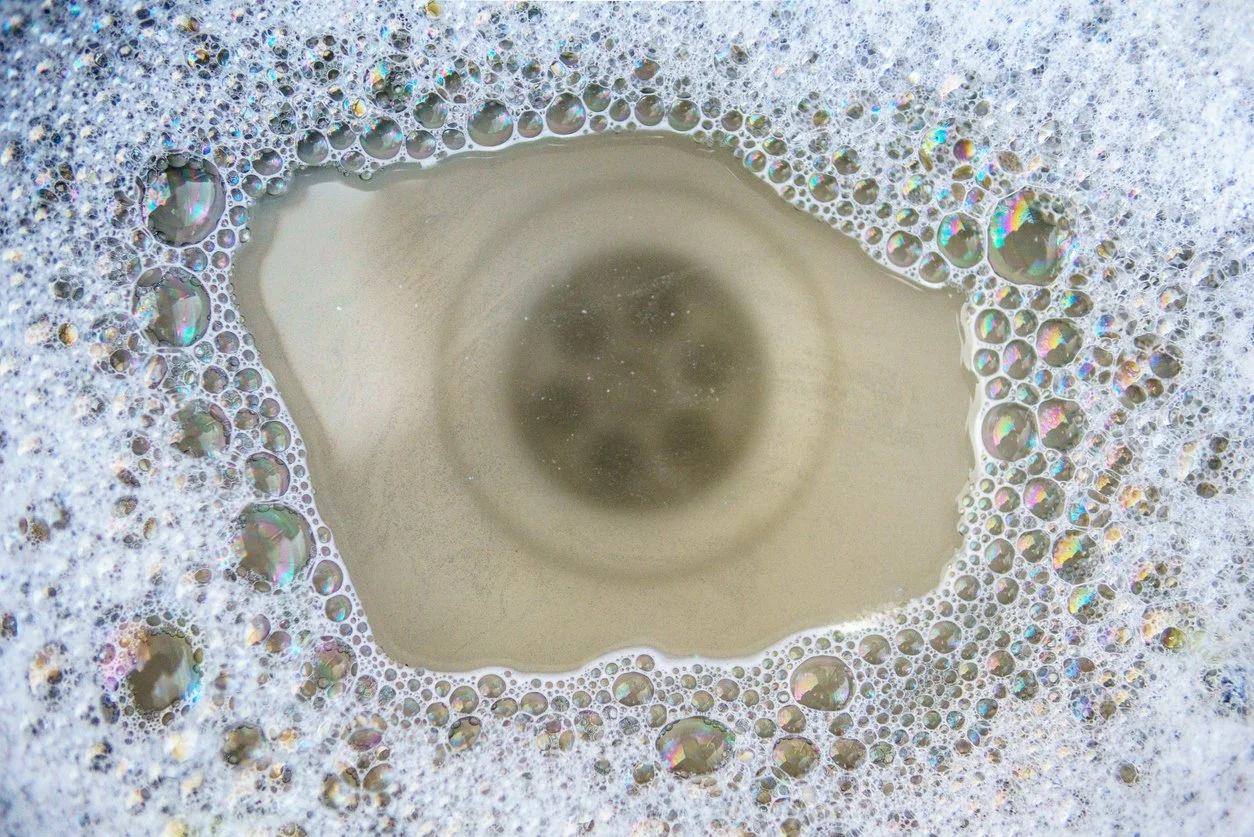
Identify the Type of Clog
Before reaching for a tool, you need to determine the scope of the problem. Our plumbers categorize clogs into two main types:
Localized Clogs
These affect a single fixture, such as a bathroom sink or a bathtub. If only one drain is slow, the obstruction is likely hair, soap scum, or food debris trapped in the "P-trap" directly beneath the sink.
Main Line Clogs
These are system-wide issues. If your toilet bubbles when you run the sink, or your basement floor drain backs up when the washing machine drains, you likely have a blockage in your main sewer line that requires professional equipment to clear.
Safe DIY Methods
If you are dealing with a localized clog, there are several mechanical steps you can take to restore flow before calling in a professional. These methods focus on physical removal rather than harsh chemical reactions.
Use the Right Plunger for the Job
Not all plungers are created equal, and using the wrong one can make it impossible to get the airtight seal needed to move a clog.
The Cup Plunger: Features a flat-bottomed rubber head. It is designed for flat surfaces like kitchen sinks, bathtubs, and showers to create a vacuum over the drain.
The Flange Plunger: Often called a toilet plunger, it has a fold-out rubber "sleeve" at the bottom designed to fit snugly into the curved opening of a toilet bowl.
Pro Tip: For sinks, make sure there is enough water to cover the rubber head of the plunger. If you are plunging a double kitchen sink, you must plug the other side with a stopper to prevent the air pressure from simply escaping out the other drain.
Clean the Pop-Up Stopper
In many bathroom sinks, the "clog" isn't deep in the pipes. It’s snagged right at the drain opening. Hair, soap scum, and toothpaste residue frequently wrap around the pop-up stopper mechanism. Most stoppers can be removed by unscrewing them or by releasing the horizontal pivot rod located under the sink. Manually pulling out this debris can often restore 100% of your drainage in minutes without ever touching a tool.
Clear the P-Trap
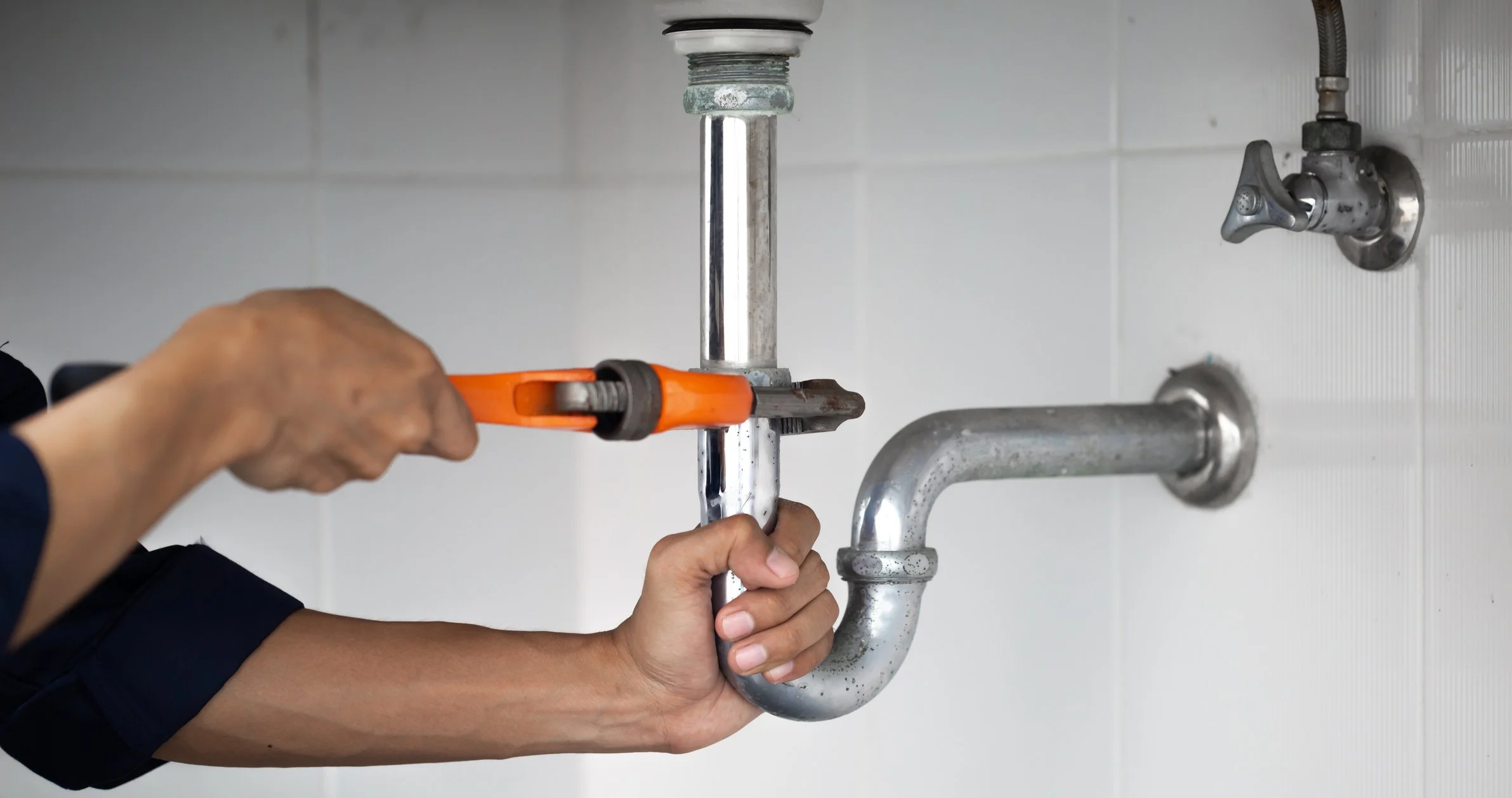
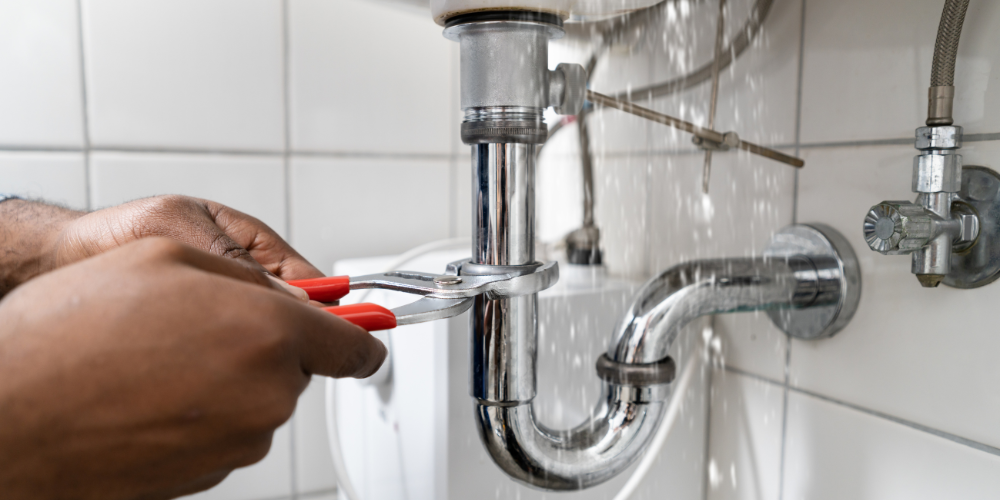
The P-trap is the U-shaped pipe directly underneath your sink. Its job is to hold a small amount of water to block sewer gases from entering your home, but it is also the most common place for heavy objects (like jewelry) or thick debris to settle. If your trap is accessible, place a bucket underneath it and unscrew the large "slip nuts". You can then remove the trap, clear out any accumulated gunk or obstructions, and rinse it before reassembling. If the slip nut isn’t coming loose be aware you can crack your pipe if you put too much force behind it.
The Hot Water Flush
For kitchen sinks dealing with slow drainage, a hot water flush can be highly effective. While you should never use boiling water (as it can melt the wax ring on a toilet or damage PVC joints), very hot tap water can help liquefy solidified gunk and move it through the system. Note hot water flushes only really work with slow drains. If it’s completely blocked the hot water will just sit in the sink, tub, or toilet. Adding too much can also cause it to overflow.
Using a Home Drain Snake
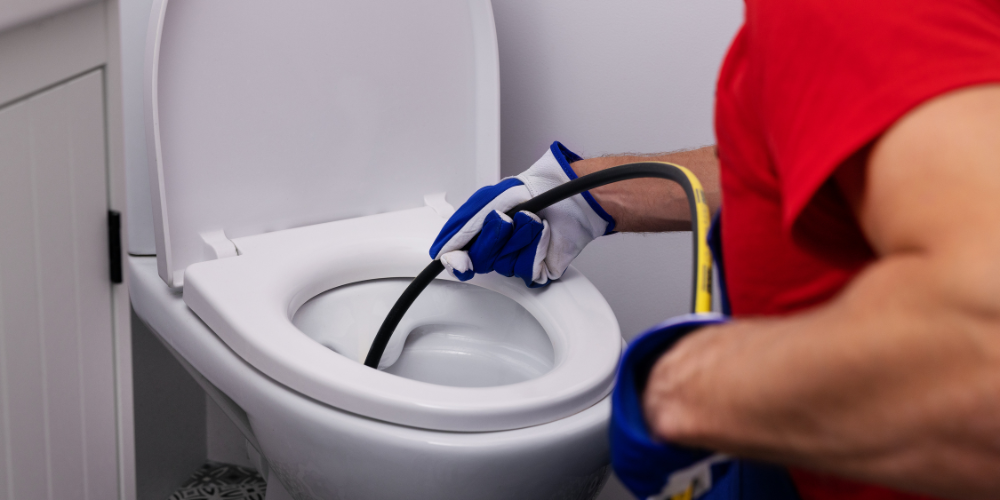
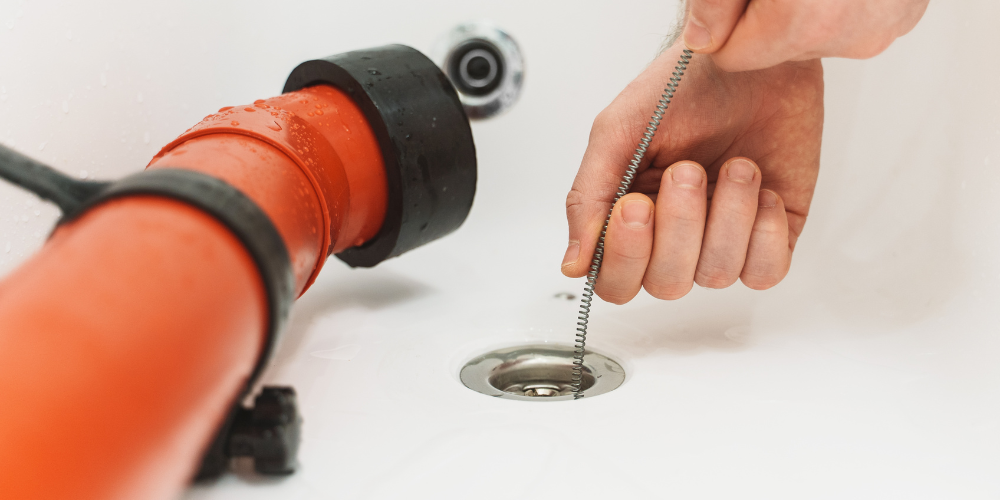
If a plunger fails, a small hand-cranked drain snake (or "zip tool") can reach clogs that are just past the P-trap. These tools are designed to snag hair or break through soft obstructions. While effective for minor blockages, it is important to proceed with caution. If you aren't experienced with a snake, you can accidentally scratch the porcelain of your fixtures or, in some cases, "bind" the cable inside a weakened section of older pipe. If the snake meets significant resistance, it is a sign that the obstruction is too dense or the pipe is too fragile for a DIY fix, and forcing it may cause structural damage. Remember it’s okay to ask for help if you need it. Not every project is a DIY project.
What to Avoid
Our plumbers frequently see pipes that have been compromised by improper DIY attempts. To protect your plumbing, avoid these common mistakes.
Chemical Drain Cleaners
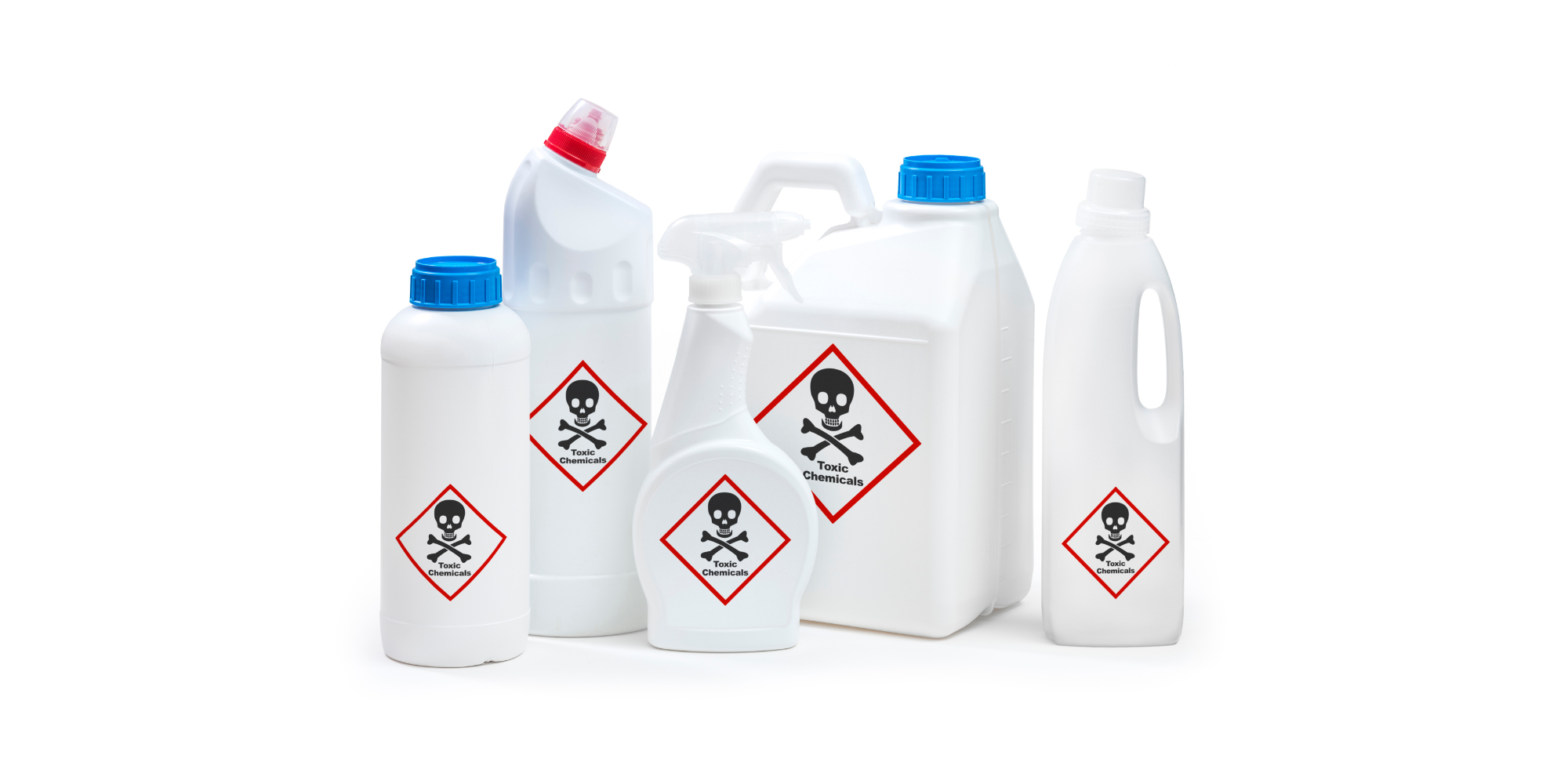
Most store-bought "liquid plumbers" contain harsh acids that generate heat. This can soften PVC pipes and eat away at older cast iron or lead joints. If the chemical doesn't clear the clog, it leaves a pool of caustic acid in your sink that makes professional repair more hazardous.
Improper Tools
Using a "clothes hanger" or a cheap hand-snake can easily scratch your porcelain or puncture a weakened section of pipe. If a plunger doesn't work, the clog is likely too deep or too dense for household items.
When to Call a Professional
If your DIY efforts haven't restored flow, or if the clog returns within a few days, it indicates a mechanical issue that requires professional intervention.
Recurring Backups: This is often a sign of "scale" or grease narrowing the diameter of the pipe, making it impossible for waste to pass through.
Gurgling Sounds: If your drains gurgle when you flush a toilet or use a sink, it’s signs of a bigger problem.
Foul Odors: Persistent smells can indicate a dry trap or decaying organic matter that has become embedded in the pipe walls.
Next Steps for Your Drains
If you’ve tried the basics and the water is still standing, our team provides the technical solutions to get your home back to normal.
For Fast Clearing: Visit our Drain Cleaning Page to see how we use professional cabling to restore your pipes.
For Recurring Issues: Learn how our Sewer Scope Inspections can see inside your walls and underground to find the root cause.
If You Need Help Now: Go to contact us below to schedule an appointment for your drains.







We’re proud to serve the community we call home, bringing expert care to your doorstep, one neighborhood at a time.
Cook County
Deerfield
Des Plaines
Edgewater
Elk Grove Village
Elmwood Park
Glencoe
Golf
Harwood Heights
Highwood
Hoffman Estates
Hyde Park
Indian Creek
Jefferson Park
Kenilworth
Lake View
Lincoln Park
Lincoln Square
Lincolnwood
Logan Square
Morton Grove
Mount Prospect
Niles
Norridge
Northbrook
Northfield
Oak Park
Park Ridge
Rogers Park
Rosemont
Schiller Park
Skokie
Streamwood
Techny
Wheeling
Wilmette
Winnetka
Lake County
Antioch
Bannockburn
Barrington
Deer Park
Fort Sheridan
Fox Lake
Fox River Valley Gardens
Gages Lake
Grayslake
Gurnee
Hainesville
Hawthorn Woods
Holiday Hills
Ingleside
Inverness
Island Lake
Kildeer
Lake Bluff
Lake Forest
Lake Villa
Lake Zurich
Lakemoor
Libertyville
Lincolnshire
Lindenhurst
Long Grove
Mettawa
Mundelein
Old Mill Creek
Prairie View
Riverwoods
Round Lake
Round Lake Beach
Round Lake Heights
Round Lake Park
Solon Mills
South Barrington
Third Lake
Tower Lakes
Vernon Hills
Volo
Wauconda
McHenry County
Bull Valley
Johnsburg
Lake Barrington
McHenry
Port Barrington
Richmond
Ringwood
Spring Grove
Wonder Lake
Woodstock